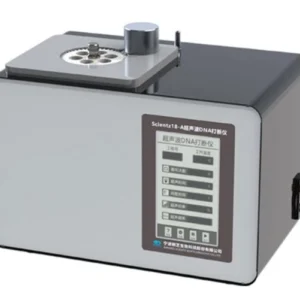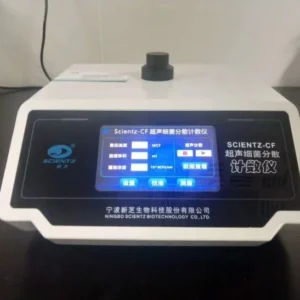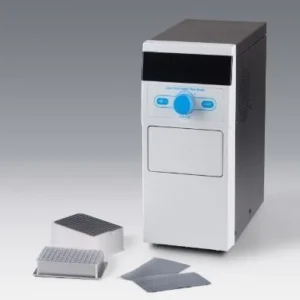

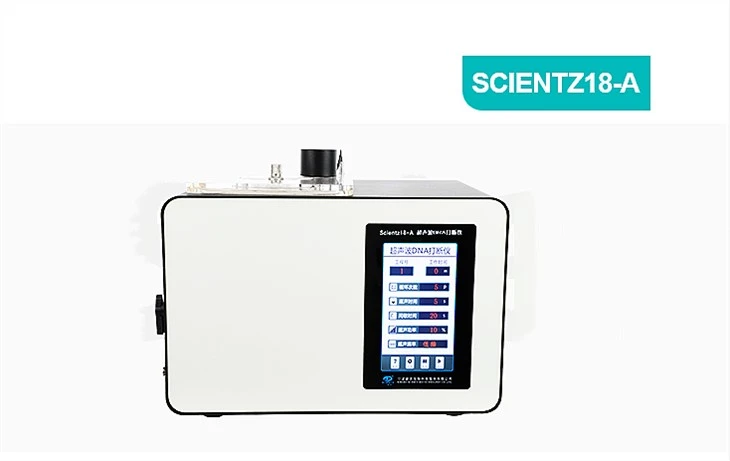
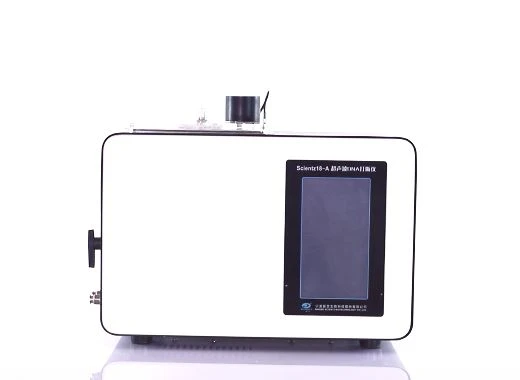
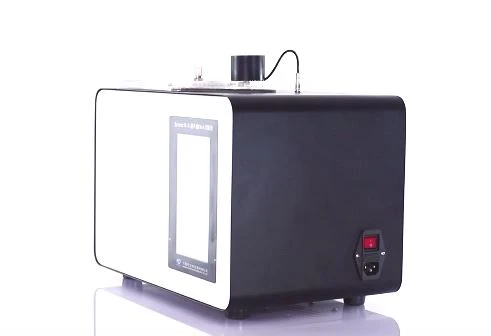
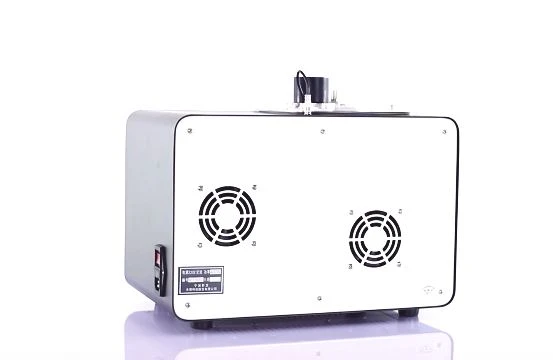
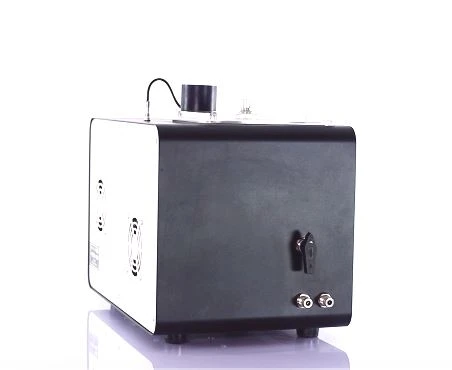
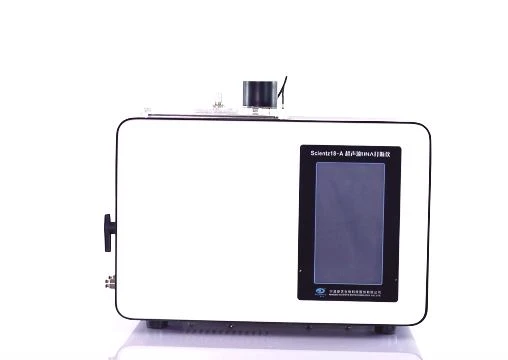
This SCIENTZ-18A DNA shearing instrument uses an isothermal, non-contact method to interrupt, homogenize, and mix samples. It is used for aseptic, ultra-micro-breaking, and can interrupt chromosomes through a centrifuge tube.
SCIENTZ-18A DNA shearing instrument and guarantee the best experience with the sample preparation for number of applications — in various fields of studies including environmental research, toxicology, genomics and epigenomics, cancer research, stem cells and development, neuroscience, clinical applications, agriculture, and many more.
The SCIENTZ-18A shearing accessories and consumables have been developed to allow flexibility in sample volumes (5 µl – 2 ml) and a fast parallel processing of samples (up to 18 samples simultaneously).
In addition, SCIENTZ provides fully-validated tubes that remain budget-friendly with low operating cost and shearing kits for best sample quality.
 
|


This SCIENTZ-18A optional cooling system ensures high precision temperature control.The user-friendly interface has been designed for any researcher, providing an easy and advanced modes that give both beginners and experienced users the right level of control.
Cooling System
 |
Application versatility:
| DNA shearing for Next-Generation-Sequencing |
| Chromatin shearing |
| RNA shearing |
| Protein extraction from tissues and cells (also for mass spectrometry) |
| FFPE DNA extraction |
| Protein aggregation studies |
Experimental effect
Experimental conditions and methods
1. Source of DNA sample: gDNA is derived from lambda phage, at a concentration of 20 ng/ul.
2. Experimental parameter setting: power 100%; within the total interruption time, ultrasonic 10s, intermittent 10s, cyclic interruption;
The number of each sample tube and the interruption condition setting are shown in the following table
 |
Experimental result
 |
Operation video